Zilliant | Platform Design, Design Systems
Standardizing a fragmented CPQ platform and improving workflows at Zilliant
Faster workflows • In-context editing • Consistent interaction patterns
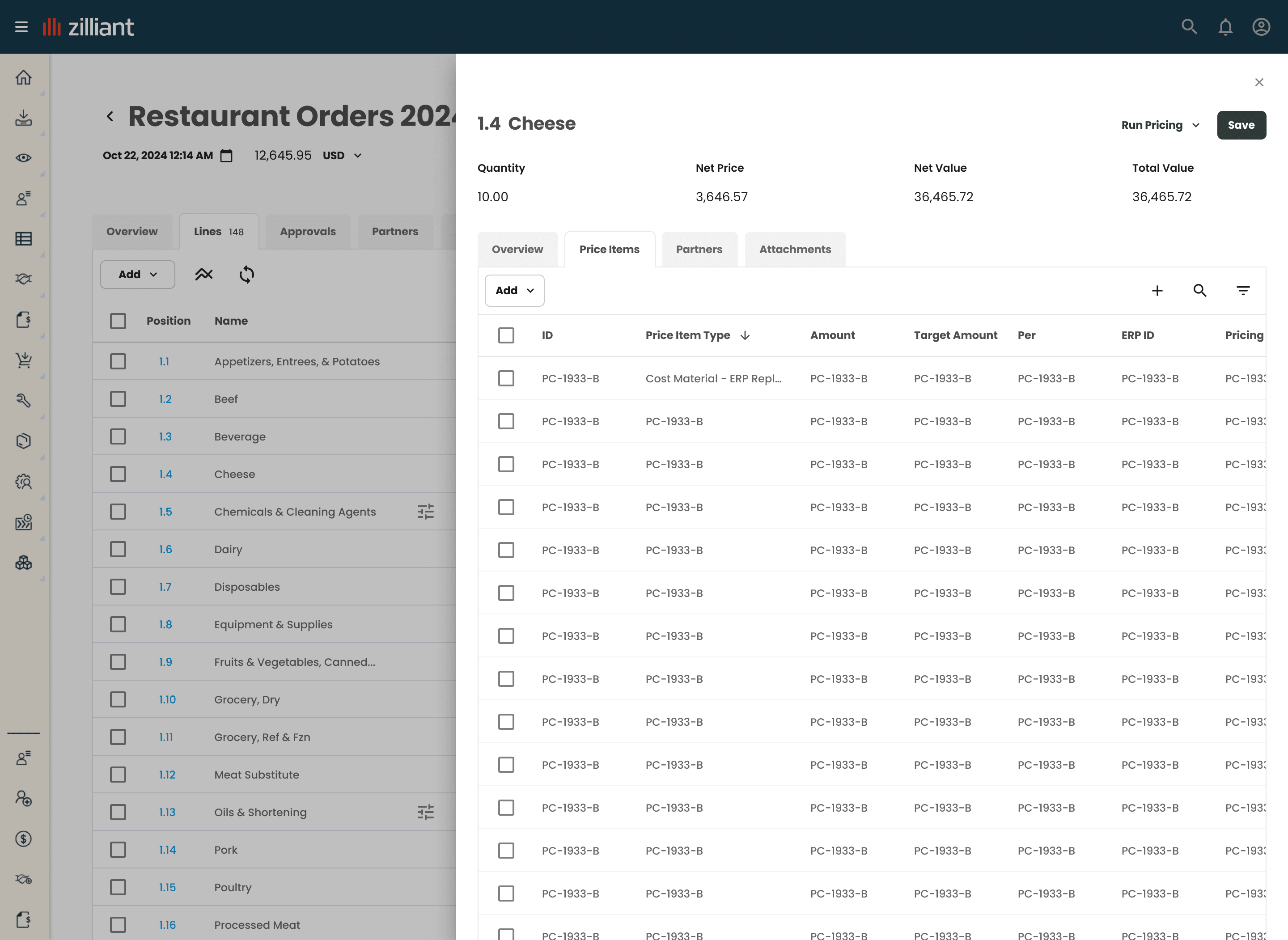
Overview: Standardizing CPQ and improving core workflows
Zilliant’s acquired CPQ platform (a Configure, Price, Quote tool for sales teams) was a fragmented experience that lacked the polish and efficient workflows of other similar tools.
I led efforts to create a more consistent user experience across the product, standardizing interaction patterns and reducing friction in high-frequency tasks while working within front-end-only constraints. This work established a foundation for scaling CPQ as part of Zilliant’s broader pricing and analytics ecosystem.
Context: A fragmented platform in a growing ecosystem
The existing CPQ platform had been built by engineers with minimal design input and had grown organically over time, resulting in inconsistent patterns and a dated user experience. At the same time, Zilliant was investing in a broader product ecosystem, including new pricing and analytics platforms, where CPQ would play a key role.
The goal was to bring CPQ up to a level of consistency and usability that matched newer products, working within front-end constraints rather than re-architecting backend systems.
Problem: Inconsistent patterns and slow, disconnected workflows
The platform’s biggest issues weren’t missing features, they were inconsistency and friction.
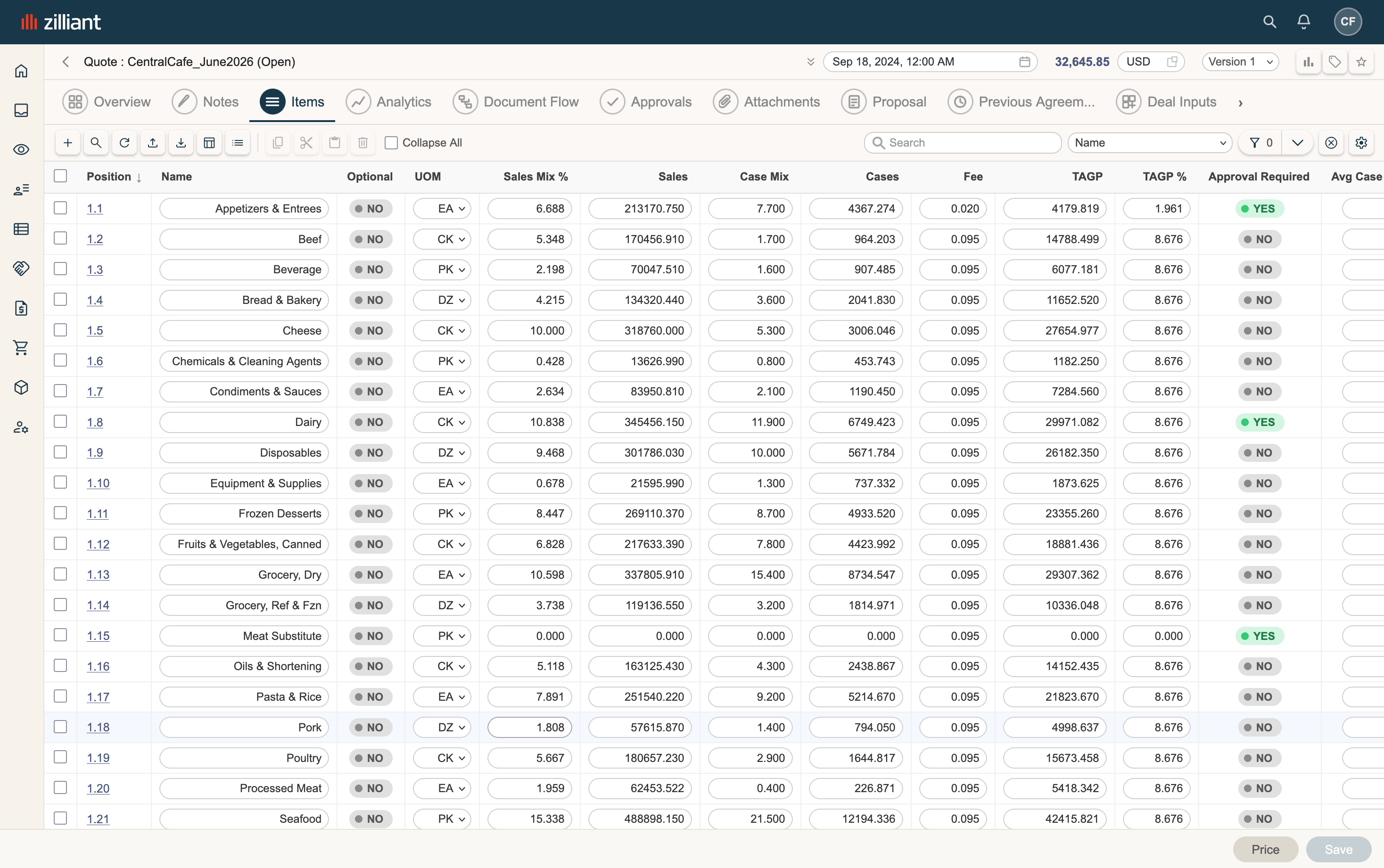
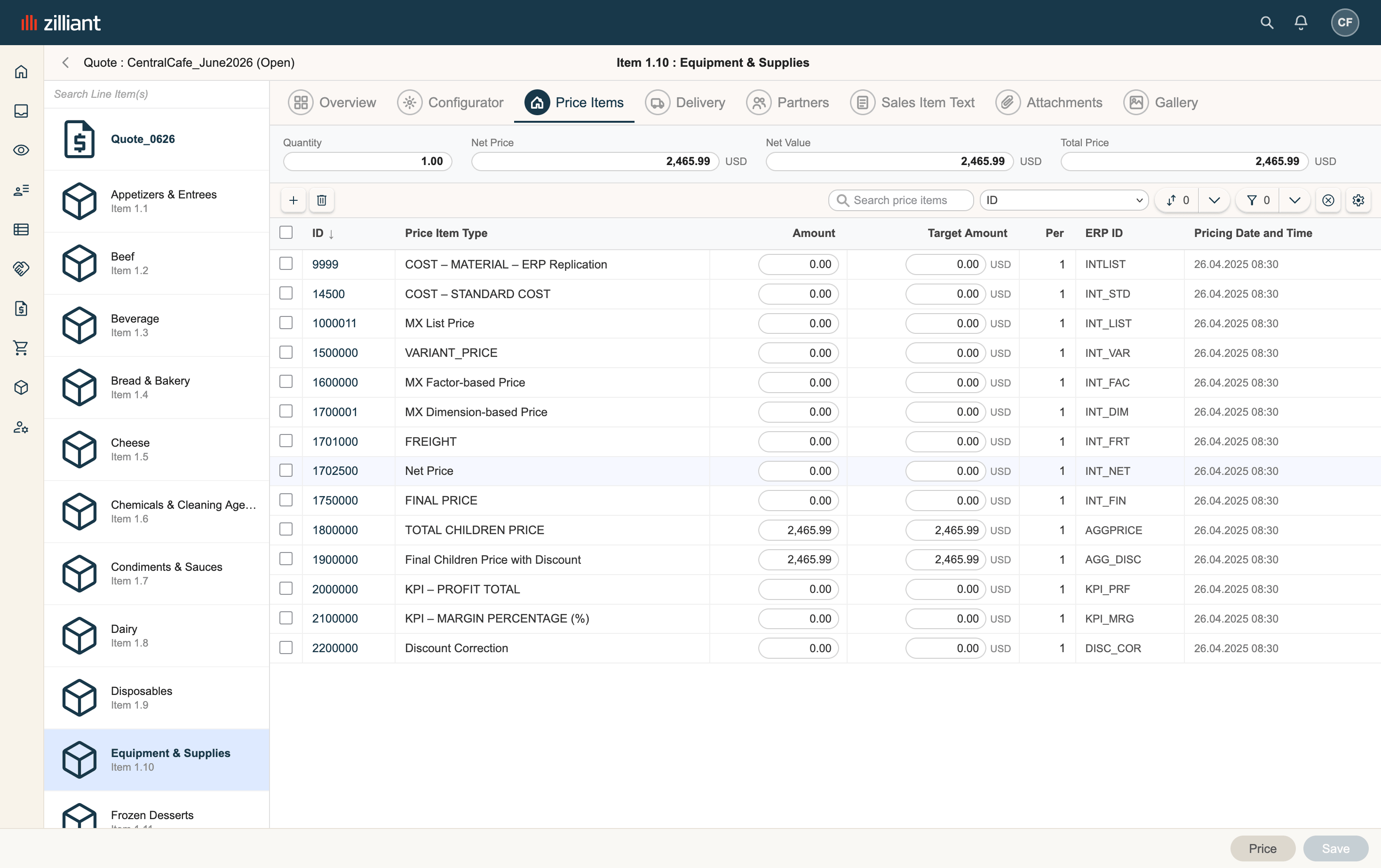
Users encountered:
- Different interaction patterns for similar actions
- Dense data tables with too many actions always available, often making it challenging to find the desired controls.
- Slow workflows that often required navigating back and forth between multiple pages
- Difficulty managing complex configurations efficiently
These issues made the product harder to learn, slower to use, and difficult to scale across different user types. They were compounded by the lack of a shared system or even consistent styling, making the product difficult to scale or improve consistently.
Approach: Improving workflows within real-world constraints
Rather than redesigning the platform from the ground up, I focused on improving workflows within existing constraints.
This required two parallel efforts:
- Standardizing interaction patterns to create consistency across the product
- Reducing friction in high-frequency workflows without relying on backend changes
To support this, the design team collaboratively developed a shared design system that would be applied across CPQ as well as other Zilliant platforms, creating a foundation for consistent experiences.
The engineering team was also based in an opposite time zone, requiring clear documentation and asynchronous collaboration to keep momentum and deliver results each sprint. This reinforced the need for consistent patterns and well-defined components, ensuring that design decisions could be implemented reliably without constant back-and-forth conversations.
Early Focus: Simplifying core workflows
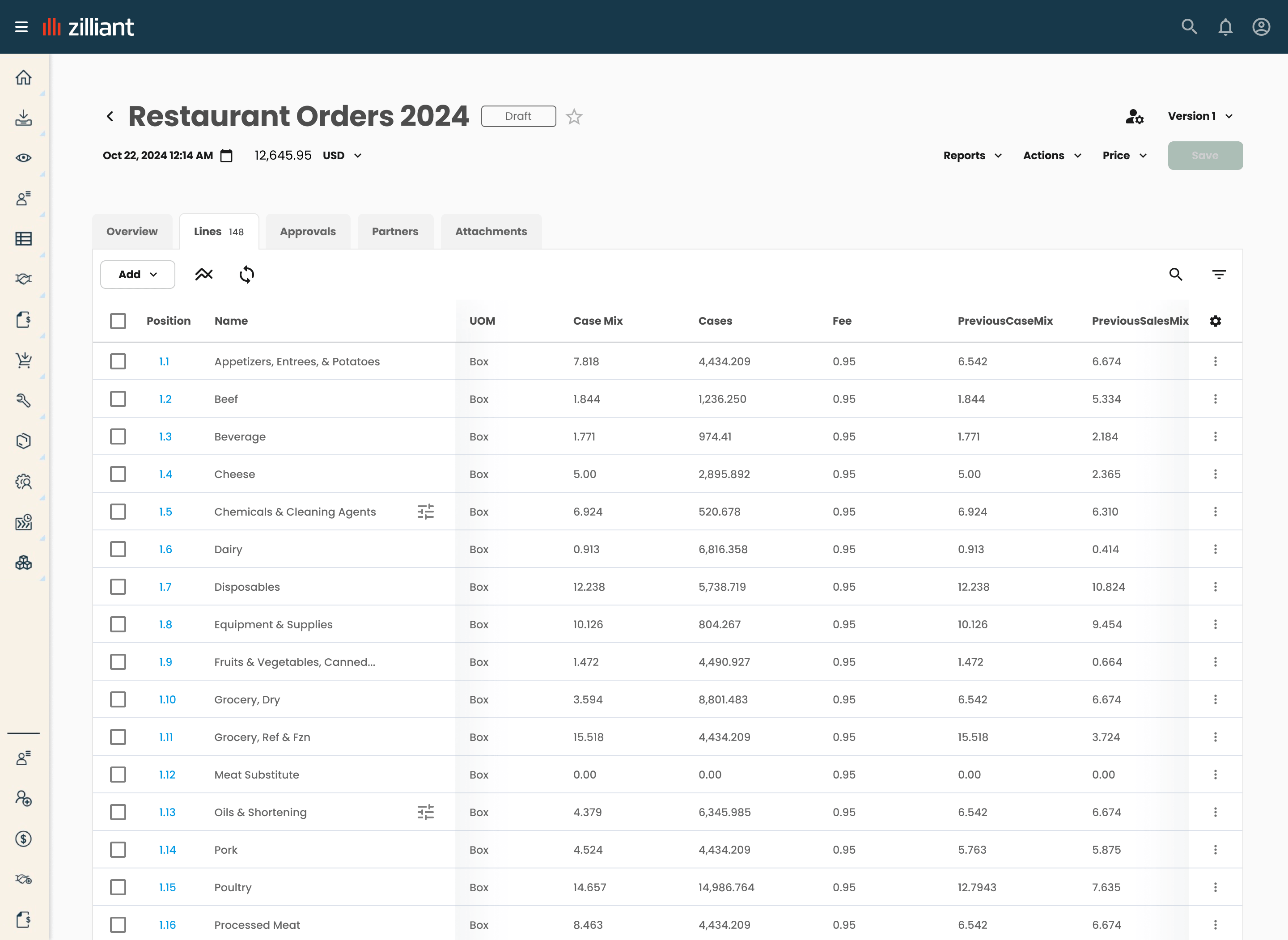
I focused first on how users interacted with the product day-to-day, following the sales user journey to identify opportunities to simplify workflows and reduce unnecessary steps. This uncovered a number of non-standard patterns and led to introducing more consistent, in-context interaction models that could be reused across the platform.
Solution: Streamlining workflows and standardizing interactions
In-context Editing
Eliminating page reloads in core workflows
Previously, editing a line item required navigating to a new page, waiting for it to load, then reloading the original view after making changes. For a platform that power users treat like a spreadsheet this was a massive bottleneck, breaking a user’s flow and forcing them to wait for the product to update.
I replaced this with a slide-out drawer, allowing users to view and edit details without leaving their current context. Even though speeding things up on the backend wasn’t an option, this change made the platform feel faster (and a number of users and internal SMEs commented on what a huge upgrade this was).
Consistent UX Patterns
Making the product predictable and adaptable
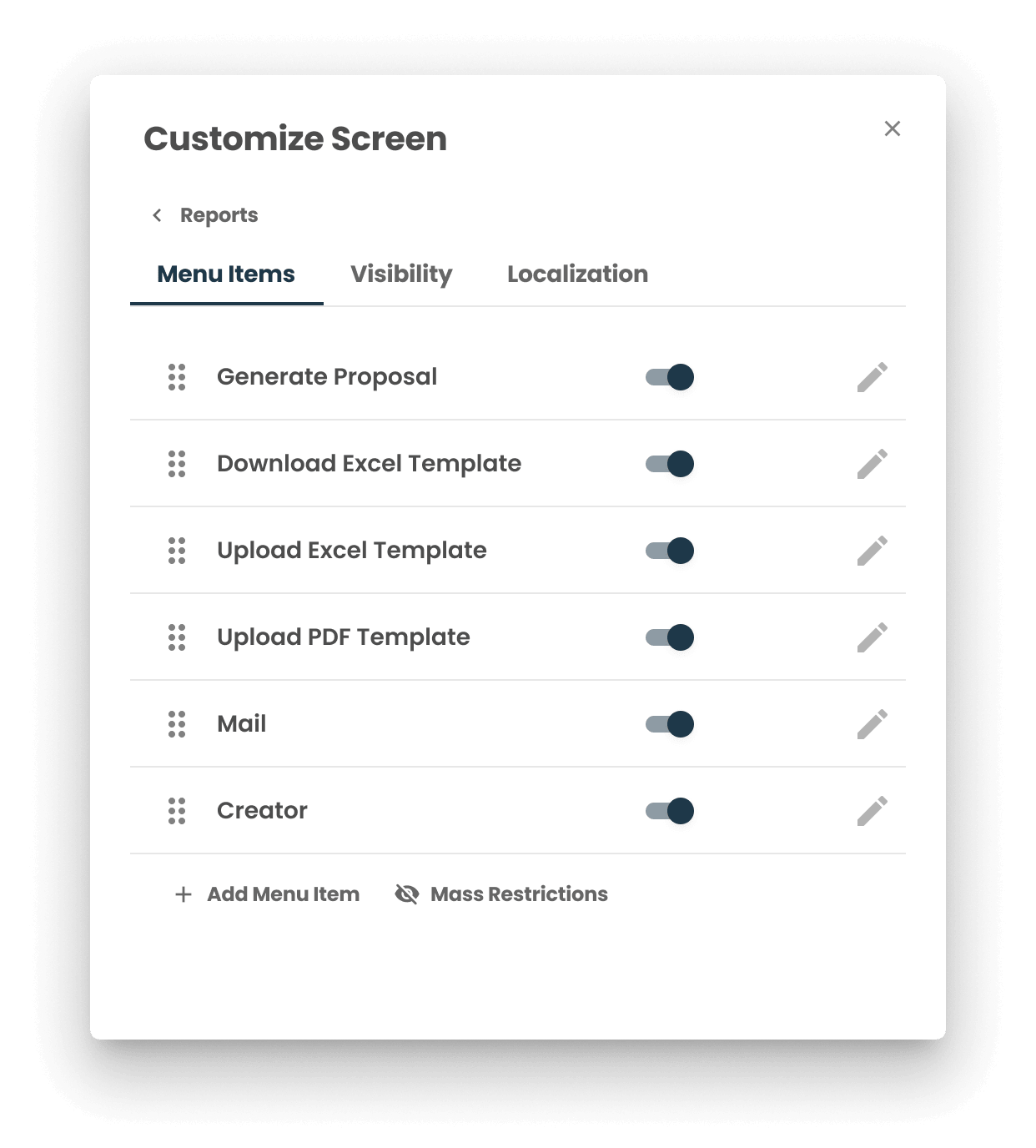
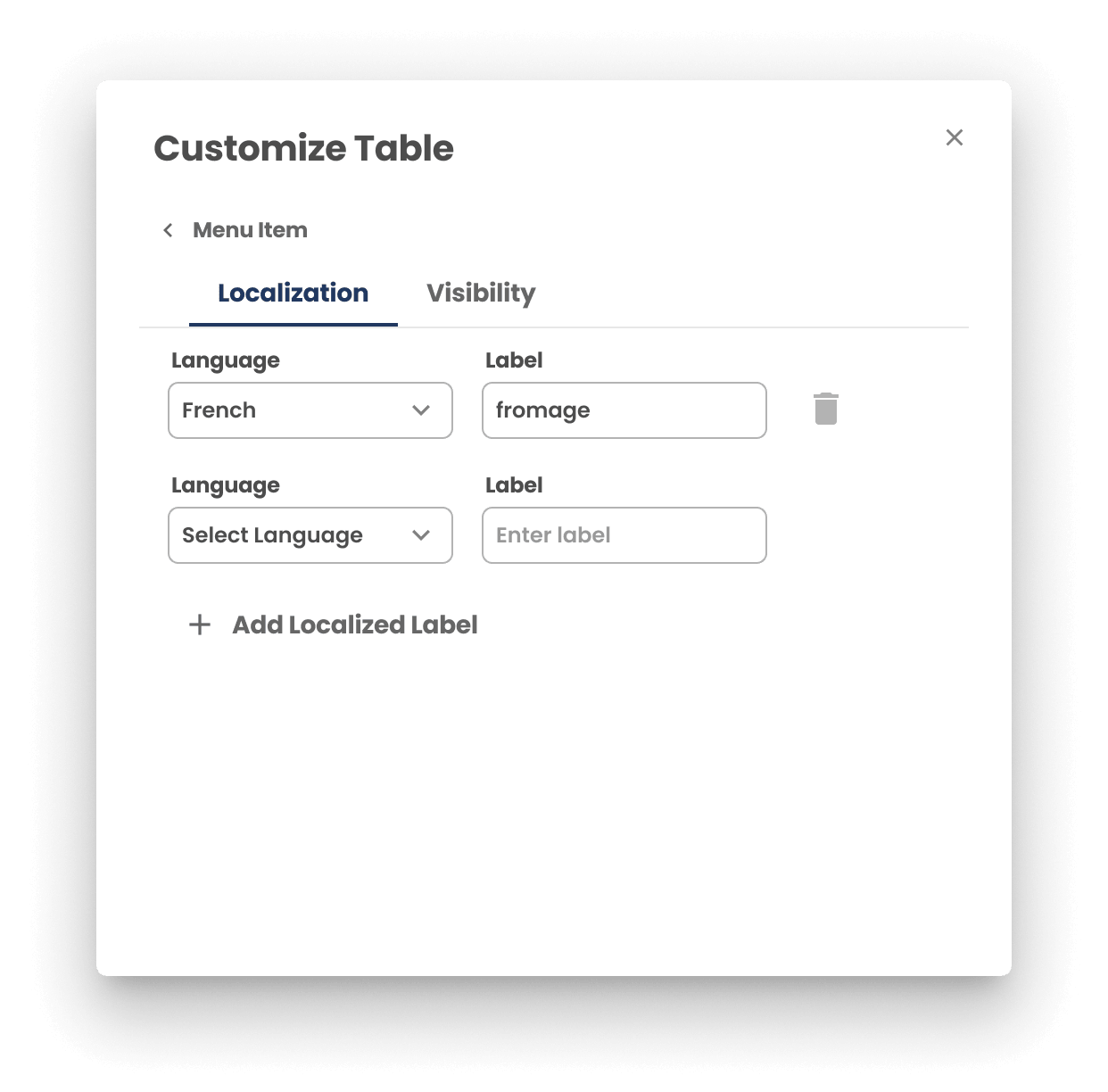
I standardized interaction patterns across the platform, ensuring similar actions behaved consistently regardless of where users were working. This also included introducing flexible configuration patterns that allowed users to tailor the interface while maintaining consistency.
Overall this reduced cognitive load and made the system easier to learn and navigate for users.
Design System
Creating a shared foundation across products
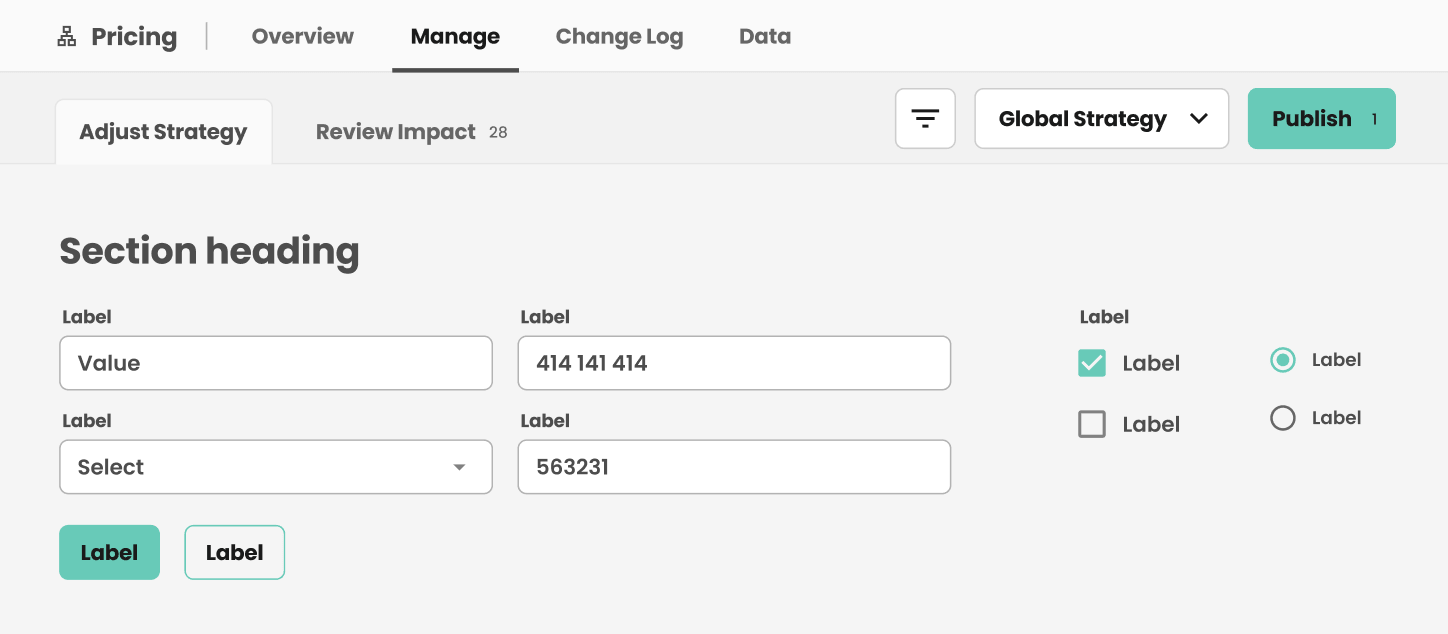
I collaborated with the design team to define and build a shared design system used across Zilliant’s CPQ platform, pricing, and analytics products. This created a consistent visual and interaction language while enabling faster iteration and alignment across teams.
Results: Faster workflows and a more consistent platform
- Reduced friction in high-frequency workflows
- Improved consistency across the platform
- Established a scalable foundation for future development
While the product unfortunately didn't reach full launch before I left, these improvements moved CPQ from an isolated produc to a cohesive part of Zilliant’s broader product ecosystem.
More importantly, the work demonstrated how meaningful improvements could be made within real-world constraints, using system-level thinking to scale consistency across a complex product with limited engineering resources.